Buy miaxl.com ?
We are moving the project
miaxl.com .
Are you interested in purchasing the domain
miaxl.com ?
domain@kv-gmbh.de · 0541-91531010
Buy miaxl.com ?
Would it have been theoretically possible to tame and ride dinosaurs or prehistoric birds?
It is theoretically possible that humans could have tamed and ridden certain species of dinosaurs or prehistoric birds, similar to how humans have domesticated and ridden horses. However, the size, behavior, and biology of these ancient creatures would have presented significant challenges. Additionally, the lack of evidence of such interactions in the fossil record suggests that humans did not have the opportunity to domesticate these animals. **
How do you tame Stegosauruses and other dinosaurs in ARK Survival?
To tame a Stegosaurus or any other dinosaur in ARK Survival, you will need to first knock it unconscious using tranquilizer arrows or darts. Once unconscious, you can then feed it the appropriate food, such as berries for a Stegosaurus, to begin the taming process. You will need to monitor its torpor and hunger levels while also protecting it from predators. Once tamed, you can use the dinosaur for various tasks such as gathering resources or defending your base. **

Similar search terms for Dinosaurs-and-Other-Prehistoric
Top-Angebote
Products related to Dinosaurs-and-Other-Prehistoric:
-
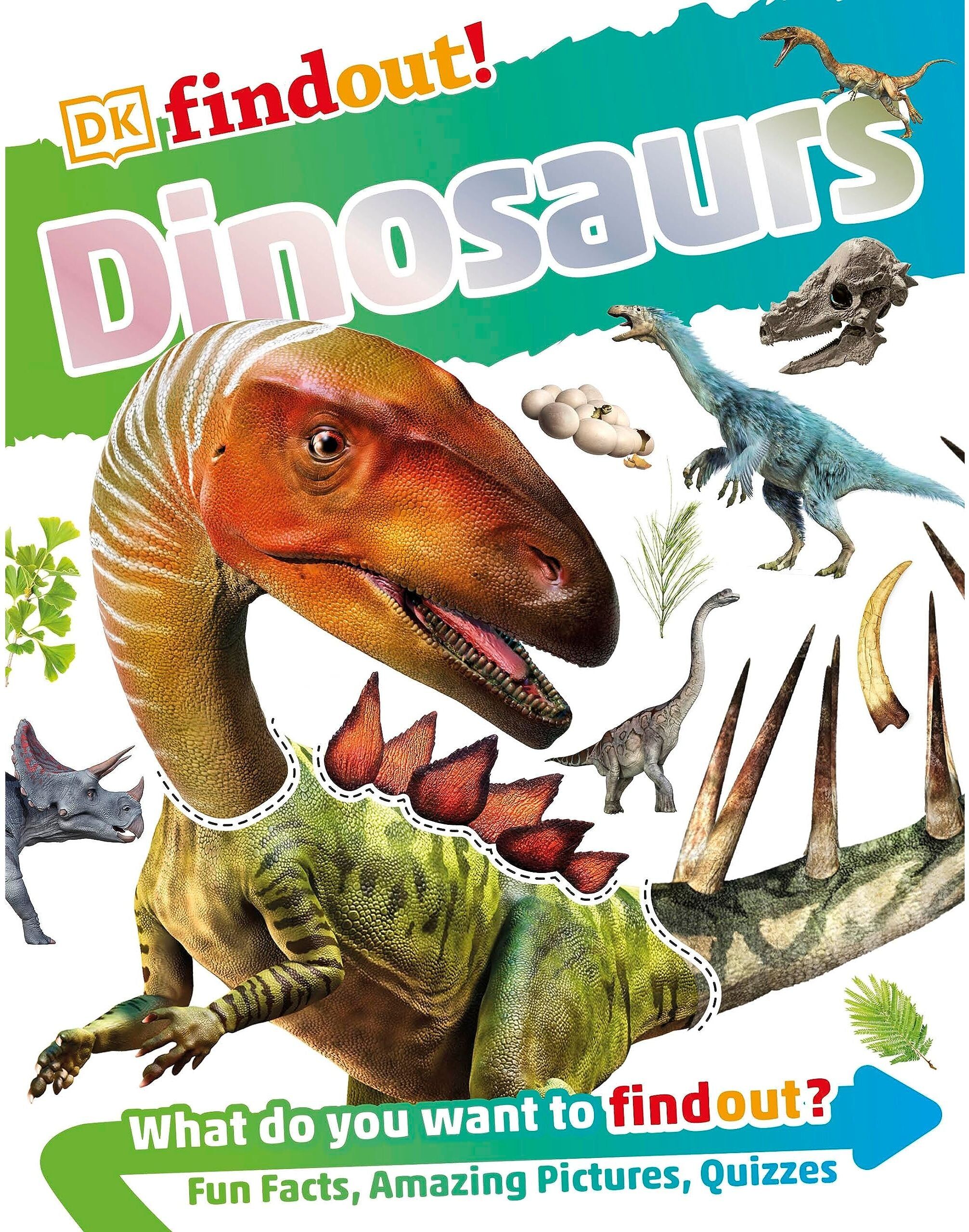
DKfindout! Dinosaurs – Interactive Visual Guide to Prehistoric Creatures for KidsDKfindout Dinosaurs Silver award winner in the MadeForMums Awards 2017 children's books series category. DKfindout! Dinosaurs teaches kids everything they would want to know about the prehistoric world. With beautiful photography, lively illustrations, and key curriculum information, the DKfindout! series will satisfy any child who is eager to learn and acquire facts - and keep them coming back for more!For any child that can't get enough of these fearsome beasts, DKfindout! Dinosaurs is packed with up-to-date information, quizzes, fun facts and incredible images of all their favourite dinosaurs. Discover how fossils are formed, find out which was the biggest dinosaur, and which was the size of a cat. DKfindout! Dinosaurs will let children uncover the ancient animals of our planet.4,99 £*Shipping: 1,99 £Secure redirect to the provider
-
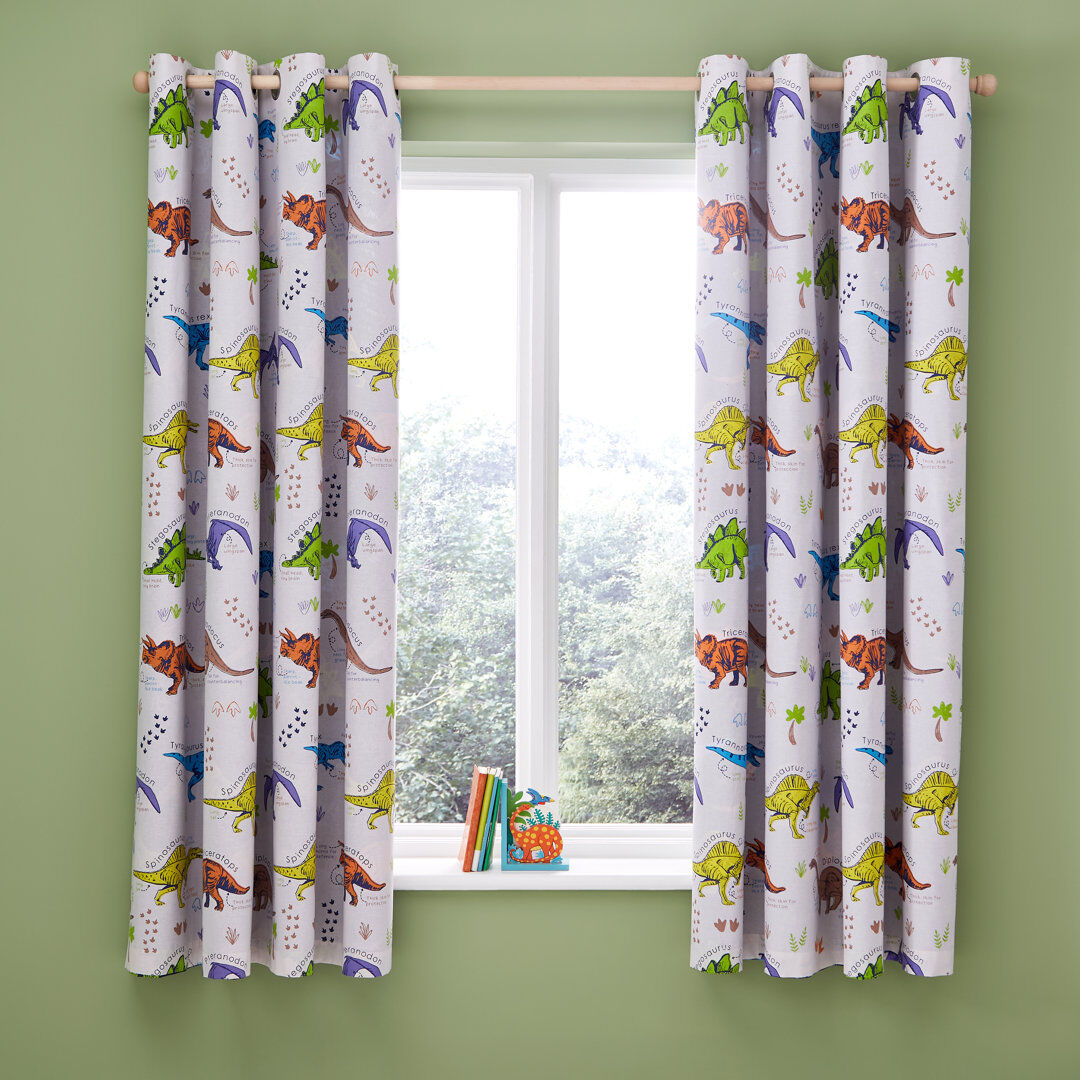
Catherine Lansfield Prehistoric Dinosaurs 66x72 inch Reversible Curtains 168cm W X 183cm HYou Can Be Sure When Your Little One Goes To Sleep They Will Be Countingdinosaurs Not Sheep With These Roarsome Curtains. Fully Reversible With Sweetillustrations And Fun Dino Facts In Contrasting Colours For Versatile, Easilyinterchangeable Bedroom Styling. Catherine Lansfield41,99 £*Shipping: 4,99 £Secure redirect to the provider

-
Why have dangerous infectious diseases only existed since humans and not in previous living beings, such as prehistoric mammals, dinosaurs, etc.?
Dangerous infectious diseases have only existed since humans because they require a host population to survive and spread. Humans live in close proximity to each other, allowing diseases to easily pass from person to person. Prehistoric mammals and dinosaurs did not live in such densely populated communities, so infectious diseases did not have the opportunity to evolve and spread in the same way. Additionally, the evolution of certain diseases may be linked to specific human behaviors and activities, such as agriculture and urbanization, which have only occurred in recent history. **
-
Why have there been dangerous infectious diseases only since humans and not already in previous living beings, for example prehistoric mammals, dinosaurs, etc.?
Infectious diseases have been present in various forms throughout history, affecting both humans and other living beings. However, the emergence of dangerous infectious diseases in humans can be attributed to factors such as increased population density, urbanization, global travel, and changes in agricultural practices. These factors have created opportunities for pathogens to jump from animals to humans, leading to the spread of new diseases. Additionally, advancements in medical science and technology have allowed for better detection and understanding of infectious diseases in humans compared to prehistoric mammals or dinosaurs. **
-
Were prehistoric men tough?
Yes, prehistoric men were tough in many ways. They had to endure harsh environmental conditions, hunt for their food, and defend themselves against predators. Their survival depended on their physical strength, endurance, and resourcefulness. Additionally, they had to adapt to changing climates and develop innovative tools and techniques for hunting and gathering. Overall, prehistoric men were tough and resilient in order to survive in their challenging environment. **
-
Are prehistoric humans considered humans?
Yes, prehistoric humans are considered to be early members of the Homo genus, which includes modern humans (Homo sapiens). While they may have had different physical characteristics and lived in different time periods, they are still classified as part of the same evolutionary lineage as modern humans. Prehistoric humans were capable of using tools, creating art, and engaging in complex social behaviors, indicating their human-like cognitive abilities. **

How can one breed prehistoric crustaceans?
Breeding prehistoric crustaceans would require a deep understanding of their natural habitat, behavior, and dietary needs. It would also involve creating an environment that closely mimics the conditions of the prehistoric era, including water temperature, salinity, and oxygen levels. Additionally, it would be important to source the specific species of prehistoric crustaceans and ensure that they are not endangered or protected. Finally, careful monitoring and maintenance of the breeding environment would be necessary to ensure the health and reproduction of the crustaceans. **
How can one breed prehistoric shrimp?
To breed prehistoric shrimp, one would need to create an environment that mimics their natural habitat. This would involve setting up a tank with appropriate water conditions, temperature, and pH levels. It is important to provide the shrimp with a varied diet that includes algae, small insects, and other organic matter. Additionally, ensuring that the shrimp have enough space to move around and reproduce is crucial for successful breeding. Regular monitoring of water quality and maintaining a clean environment will also help in the breeding process. **
Top-Angebote
Products related to Dinosaurs-and-Other-Prehistoric:
-
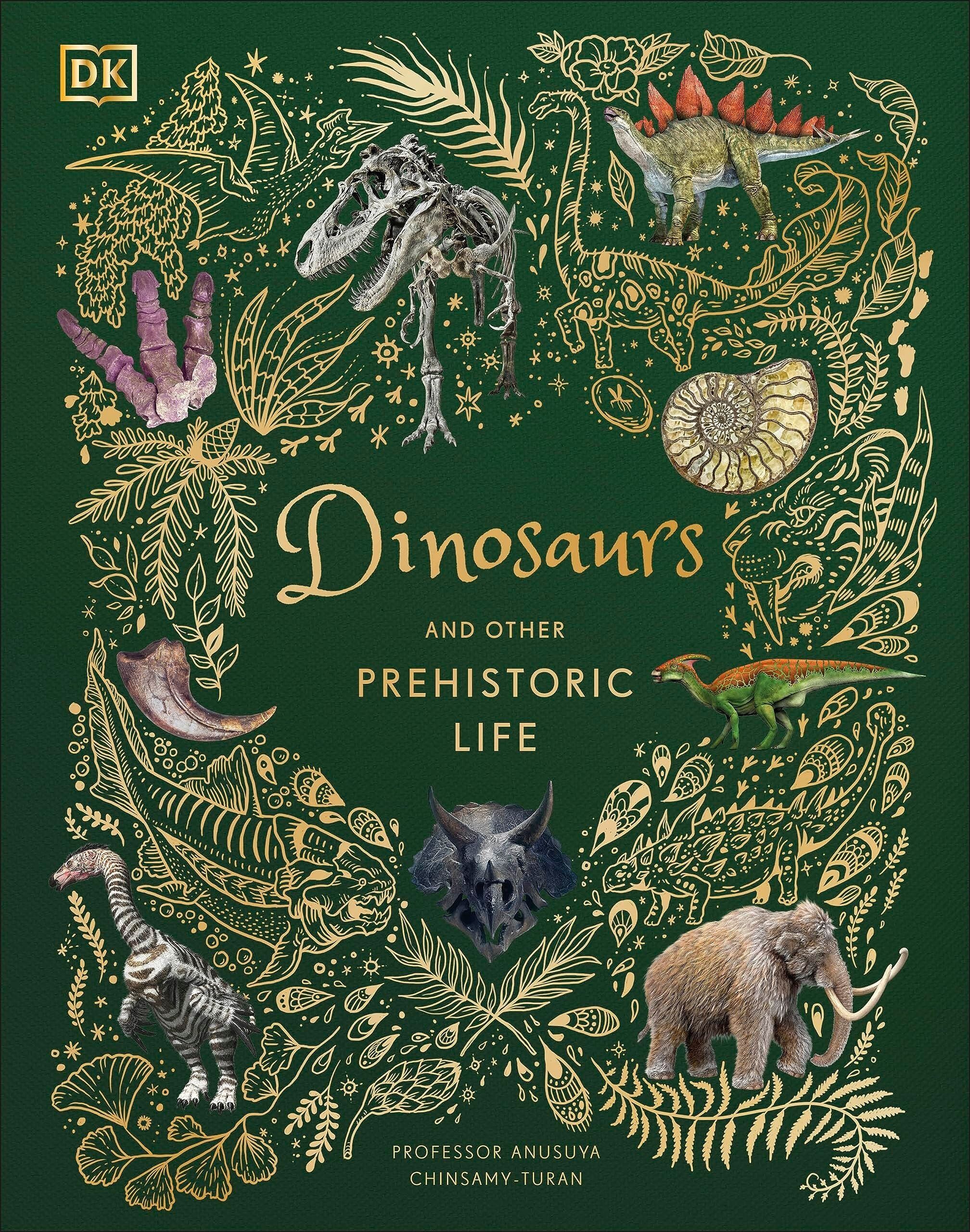
Dinosaurs and Other Prehistoric Life (DK Children's Anthologies)Travel back in time to when dinosaurs roamed the earth with this awe-inspiring dinosaur book for curious kids aged 6-8. The prehistoric word of dinosaurs is so much bigger than young minds can fathom and there is always more to learn. Dinosaurs and other Prehistoric Life is a stunning dinosaur encyclopedia for young readers to explore, with reference pages packed with fascinating information, little learners will be captivated as they travel through the history of the Earth. From Tyrannosaurus and sabre-toothed cats, to ferns and woolly mammoths, this collection of amazing dinosaurs, plants, and other prehistoric life will wow children and many adults too - providing something for everyone to love!Showcasing more than 90 remarkable fossils, such as a fearsome Tyrannosaurus skull, delicate fern leaf, and perfectly preserved woolly mammoth, each plant or animal featured is shown both photographically and illustrated, and children will love poring over the detailed close-up images.The storybook descriptions let you discover the myths and legends surrounding the organisms, as well as key facts about their natural history. Find out why Pachycephalosaurus had such a thick head, how a coral fossil can be used to work out how long a prehistoric year was, and which fossil was thought to protect people from poison. The engaging storybook-style descriptions and simple text shed a light on the diverse world of dinosaurs, perfect for children aged 6-8 to love and explore for hours on end. Celebrate your child's curiosity as they:- Explore more than 90 species from the prehistoric world- Reveal pronunciations of each and every dinosaur featured throughout- Uncover stunning photographs of fossils and gorgeous illustrations of each creatureThis dinosaur encyclopedia for children is the perfect blend of storybook style text with out-of-this-world illustrations which makes it a fantastic dinosaur book for children who are obsessed with the prehistoric world. Encourage young readers to go on a time-travelling adventure back in time to explore a world of information, making this the ideal first reference book for kids aged 6-8 to enjoy for hours on end, whether reading with the family or reading alone, this fun fact book also doubles up as the perfect gift for curious kids who love to learn. Explore the vastness of the prehistoric world whilst uncovering: -Stunning Jacket Detail: gold foil, holographic foil & metallic gold edges-Stunning photography & illustrations inside-A beautiful book for the whole family to treasure-A quality gift to be passed down through the generationsMore in the SeriesDinosaurs and other Prehistoric Life is part of the beautiful and informative Anthology series. Complete the series and nurture your child's curiosity as they explore the natural world with The Wonders of Nature or let them walk soar into the galaxies above with Mysteries of the Universe.10,99 £*Shipping: 2,99 £Secure redirect to the provider
-
DK The Bedtime Book of Dinosaurs and Other Prehistoric Life: Meet More Than 100 Creatures From Long Ago (The Bedtime Books)Get to know more than 100 of the world's favourite dinosaurs and other prehistoric life forms with this essential illustrated introduction. This must-have first book on dinosaurs and other ancient creatures is filled with beautiful illustrations and storybook text on every page, perfect for early readers who want to know more about the life that once roamed our planet. The Bedtime Book of Dinosaurs and other Prehistoric Life includes the earliest life that appeared in the ocean, to the giant dinosaurs, and the wonderfully weird mammals that followed them. Children aged 3-5 can discover a huge variety of organisms that are shown within the three chapters, which cover the Paleozoic, Mesozoic, and Cenozoic eras. With old favourites, such as Tyrannosaurus and Triceratops, as well as new discoveries, including Yi and Changmiania, there is something for every young fan of the primeval world. Inside the pages of this exciting dinosaur book, you'll find:- An introduction to the essential information about each prehistoric species in a friendly, accessible way. - Beautiful and accurate illustrations combined with introductory reference text about a wide variety of dinosaurs and other ancient plants and animals. - Engaging text for young children that can be read aloud - perfect for parents, carers, and children to enjoy at bedtime. - A one-hit introduction to prehistoric life, featuring more than 100 animals - an essential addition to every 3-5 year old's library. This exciting dinosaur guide helps to develop an early understanding of the prehistoric world for little ones and clearly explains the key features of each animal or plant, as well as how to say their names. A timeless gift book, this is a must-have for parents, carers, and educators who want to introduce core dinosaur knowledge at a young age in a fun and engaging way.9,89 £*Shipping: 2,99 £Secure redirect to the provider
-
DKfindout! Dinosaurs – Interactive Visual Guide to Prehistoric Creatures for KidsDKfindout Dinosaurs Silver award winner in the MadeForMums Awards 2017 children's books series category. DKfindout! Dinosaurs teaches kids everything they would want to know about the prehistoric world. With beautiful photography, lively illustrations, and key curriculum information, the DKfindout! series will satisfy any child who is eager to learn and acquire facts - and keep them coming back for more!For any child that can't get enough of these fearsome beasts, DKfindout! Dinosaurs is packed with up-to-date information, quizzes, fun facts and incredible images of all their favourite dinosaurs. Discover how fossils are formed, find out which was the biggest dinosaur, and which was the size of a cat. DKfindout! Dinosaurs will let children uncover the ancient animals of our planet.4,99 £*Shipping: 1,99 £Secure redirect to the provider
-
Catherine Lansfield Prehistoric Dinosaurs 66x72 inch Reversible Curtains 168cm W X 183cm HYou Can Be Sure When Your Little One Goes To Sleep They Will Be Countingdinosaurs Not Sheep With These Roarsome Curtains. Fully Reversible With Sweetillustrations And Fun Dino Facts In Contrasting Colours For Versatile, Easilyinterchangeable Bedroom Styling. Catherine Lansfield41,99 £*Shipping: 4,99 £Secure redirect to the provider
-
Would it have been theoretically possible to tame and ride dinosaurs or prehistoric birds?
It is theoretically possible that humans could have tamed and ridden certain species of dinosaurs or prehistoric birds, similar to how humans have domesticated and ridden horses. However, the size, behavior, and biology of these ancient creatures would have presented significant challenges. Additionally, the lack of evidence of such interactions in the fossil record suggests that humans did not have the opportunity to domesticate these animals. **
-
How do you tame Stegosauruses and other dinosaurs in ARK Survival?
To tame a Stegosaurus or any other dinosaur in ARK Survival, you will need to first knock it unconscious using tranquilizer arrows or darts. Once unconscious, you can then feed it the appropriate food, such as berries for a Stegosaurus, to begin the taming process. You will need to monitor its torpor and hunger levels while also protecting it from predators. Once tamed, you can use the dinosaur for various tasks such as gathering resources or defending your base. **
-
Why have dangerous infectious diseases only existed since humans and not in previous living beings, such as prehistoric mammals, dinosaurs, etc.?
Dangerous infectious diseases have only existed since humans because they require a host population to survive and spread. Humans live in close proximity to each other, allowing diseases to easily pass from person to person. Prehistoric mammals and dinosaurs did not live in such densely populated communities, so infectious diseases did not have the opportunity to evolve and spread in the same way. Additionally, the evolution of certain diseases may be linked to specific human behaviors and activities, such as agriculture and urbanization, which have only occurred in recent history. **
-
Why have there been dangerous infectious diseases only since humans and not already in previous living beings, for example prehistoric mammals, dinosaurs, etc.?
Infectious diseases have been present in various forms throughout history, affecting both humans and other living beings. However, the emergence of dangerous infectious diseases in humans can be attributed to factors such as increased population density, urbanization, global travel, and changes in agricultural practices. These factors have created opportunities for pathogens to jump from animals to humans, leading to the spread of new diseases. Additionally, advancements in medical science and technology have allowed for better detection and understanding of infectious diseases in humans compared to prehistoric mammals or dinosaurs. **
Similar search terms for Dinosaurs-and-Other-Prehistoric
-
Shoekeeper Men's Shoe Stretcher & Spray - L Other Footwear Accessories*Expand your shoes to the perfect fit. Shoe stretch spray softens leather. Screw-driven shoe stretcher expands leather to eliminate pinching. Metal plugs included for spot stretching. Kit includes one stretcher and one bottle of 4 oz. spray. Sizes:....43,96 $*Shipping: 6,95 $Secure redirect to the provider
-
Were prehistoric men tough?
Yes, prehistoric men were tough in many ways. They had to endure harsh environmental conditions, hunt for their food, and defend themselves against predators. Their survival depended on their physical strength, endurance, and resourcefulness. Additionally, they had to adapt to changing climates and develop innovative tools and techniques for hunting and gathering. Overall, prehistoric men were tough and resilient in order to survive in their challenging environment. **
-
Are prehistoric humans considered humans?
Yes, prehistoric humans are considered to be early members of the Homo genus, which includes modern humans (Homo sapiens). While they may have had different physical characteristics and lived in different time periods, they are still classified as part of the same evolutionary lineage as modern humans. Prehistoric humans were capable of using tools, creating art, and engaging in complex social behaviors, indicating their human-like cognitive abilities. **
-
How can one breed prehistoric crustaceans?
Breeding prehistoric crustaceans would require a deep understanding of their natural habitat, behavior, and dietary needs. It would also involve creating an environment that closely mimics the conditions of the prehistoric era, including water temperature, salinity, and oxygen levels. Additionally, it would be important to source the specific species of prehistoric crustaceans and ensure that they are not endangered or protected. Finally, careful monitoring and maintenance of the breeding environment would be necessary to ensure the health and reproduction of the crustaceans. **
-
How can one breed prehistoric shrimp?
To breed prehistoric shrimp, one would need to create an environment that mimics their natural habitat. This would involve setting up a tank with appropriate water conditions, temperature, and pH levels. It is important to provide the shrimp with a varied diet that includes algae, small insects, and other organic matter. Additionally, ensuring that the shrimp have enough space to move around and reproduce is crucial for successful breeding. Regular monitoring of water quality and maintaining a clean environment will also help in the breeding process. **
* All prices are inclusive of VAT and, if applicable, plus shipping costs. The offer information is based on the details provided by the respective shop and is updated through automated processes. Real-time updates do not occur, so deviations can occur in individual cases. ** Note: Parts of this content were created by AI.