Buy miaxl.com ?
We are moving the project
miaxl.com .
Are you interested in purchasing the domain
miaxl.com ?
domain@kv-gmbh.de · 0541-91531010
Buy miaxl.com ?
What is clay soap?
Clay soap is a type of soap that contains clay as one of its main ingredients. The clay used in these soaps is typically bentonite, kaolin, or French green clay, which are known for their detoxifying and exfoliating properties. Clay soap is often used to cleanse and purify the skin, as the clay helps to draw out impurities and excess oil. Additionally, the exfoliating properties of clay can help to remove dead skin cells, leaving the skin feeling smooth and refreshed. **
What types of soap are there: cream soap, foam soap, or solid soap?
There are three main types of soap: cream soap, foam soap, and solid soap. Cream soap is a thick, moisturizing soap that often comes in a pump dispenser. Foam soap is a light, airy soap that is dispensed as a foam. Solid soap is the traditional bar soap that comes in a solid form and is used by lathering it with water. Each type of soap has its own unique characteristics and benefits. **


Similar search terms for Drasanvi-Clay-Soap-100
Top-Angebote
Products related to Drasanvi-Clay-Soap-100:
-
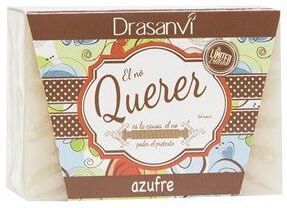
Drasanvi Chamomile Soap 100 gr 100 grHealth and Beauty Corporal hygiene Drasanvi Chamomile Soap 100 gr 100 gr Soothing and emollient, suitable for delicate and sensitive skin. How to use Use every soap for the suggested uses specified before.2,36 £*Shipping: 3,99 £Secure redirect to the provider


-
Which soap is better: sulfur soap or tea tree soap?
The choice between sulfur soap and tea tree soap depends on individual skin concerns and preferences. Sulfur soap is effective for treating acne and other skin conditions due to its antibacterial and antifungal properties. On the other hand, tea tree soap is known for its natural antiseptic and anti-inflammatory properties, making it suitable for treating acne and soothing irritated skin. Ultimately, the better soap would be the one that addresses your specific skin needs and works well with your skin type. **
-
Should I mix expanded clay and clay plant granules?
It is not recommended to mix expanded clay and clay plant granules together. Expanded clay is a lightweight, porous material used for aeration and drainage in soil, while clay plant granules are typically used for moisture retention and as a soil amendment. Mixing these two types of materials together can result in an inconsistent soil structure and may not provide the intended benefits for plant growth. It's best to use each material separately for their specific purposes in soil composition. **
-
How do you design a terrace on soft clay soil?
When designing a terrace on soft clay soil, it is important to take into consideration the potential for soil movement and settling. To address this, it is essential to conduct a thorough soil investigation to understand the soil's characteristics and behavior. Additionally, the terrace design should incorporate proper drainage systems to prevent water accumulation and soil saturation, which can lead to further soil movement. Furthermore, using lightweight construction materials and techniques, such as helical piers or soil stabilization methods, can help mitigate the potential impact of the soft clay soil on the terrace structure. **
-
What type of soap do you prefer: liquid soap or bar soap?
I prefer liquid soap because I find it more convenient and hygienic to use. Liquid soap is easier to dispense and less messy compared to bar soap. Additionally, liquid soap often comes in a variety of scents and formulations to cater to different skin types and preferences. **


Is this clay?
No, this is not clay. **
Is clay waterproof?
Clay is not inherently waterproof, as it is a porous material that can absorb water. However, clay can be made waterproof by firing it in a kiln at high temperatures, which causes the clay particles to fuse together and create a waterproof barrier. Additionally, clay objects can be glazed to make them waterproof by adding a layer of glass-like material that seals the surface. **
Top-Angebote
Products related to Drasanvi-Clay-Soap-100:
-
What is clay soap?
Clay soap is a type of soap that contains clay as one of its main ingredients. The clay used in these soaps is typically bentonite, kaolin, or French green clay, which are known for their detoxifying and exfoliating properties. Clay soap is often used to cleanse and purify the skin, as the clay helps to draw out impurities and excess oil. Additionally, the exfoliating properties of clay can help to remove dead skin cells, leaving the skin feeling smooth and refreshed. **
-
What types of soap are there: cream soap, foam soap, or solid soap?
There are three main types of soap: cream soap, foam soap, and solid soap. Cream soap is a thick, moisturizing soap that often comes in a pump dispenser. Foam soap is a light, airy soap that is dispensed as a foam. Solid soap is the traditional bar soap that comes in a solid form and is used by lathering it with water. Each type of soap has its own unique characteristics and benefits. **
-
Which soap is better: sulfur soap or tea tree soap?
The choice between sulfur soap and tea tree soap depends on individual skin concerns and preferences. Sulfur soap is effective for treating acne and other skin conditions due to its antibacterial and antifungal properties. On the other hand, tea tree soap is known for its natural antiseptic and anti-inflammatory properties, making it suitable for treating acne and soothing irritated skin. Ultimately, the better soap would be the one that addresses your specific skin needs and works well with your skin type. **
-
Should I mix expanded clay and clay plant granules?
It is not recommended to mix expanded clay and clay plant granules together. Expanded clay is a lightweight, porous material used for aeration and drainage in soil, while clay plant granules are typically used for moisture retention and as a soil amendment. Mixing these two types of materials together can result in an inconsistent soil structure and may not provide the intended benefits for plant growth. It's best to use each material separately for their specific purposes in soil composition. **
Similar search terms for Drasanvi-Clay-Soap-100
-
Drasanvi Chamomile Soap 100 gr 100 grHealth and Beauty Corporal hygiene Drasanvi Chamomile Soap 100 gr 100 gr Soothing and emollient, suitable for delicate and sensitive skin. How to use Use every soap for the suggested uses specified before.2,36 £*Shipping: 3,99 £Secure redirect to the provider
-
Drasanvi Rosehip Soap 100 gr 100 grHealth and Beauty Corporal hygiene Drasanvi Rosehip Soap 100 gr 100 gr Moisturizing and skin regenerating. Suitable for after sun exposure.. How to use Use every soap for the suggested uses specified before.2,83 £*Shipping: 3,99 £Secure redirect to the provider
-
How do you design a terrace on soft clay soil?
When designing a terrace on soft clay soil, it is important to take into consideration the potential for soil movement and settling. To address this, it is essential to conduct a thorough soil investigation to understand the soil's characteristics and behavior. Additionally, the terrace design should incorporate proper drainage systems to prevent water accumulation and soil saturation, which can lead to further soil movement. Furthermore, using lightweight construction materials and techniques, such as helical piers or soil stabilization methods, can help mitigate the potential impact of the soft clay soil on the terrace structure. **
-
What type of soap do you prefer: liquid soap or bar soap?
I prefer liquid soap because I find it more convenient and hygienic to use. Liquid soap is easier to dispense and less messy compared to bar soap. Additionally, liquid soap often comes in a variety of scents and formulations to cater to different skin types and preferences. **
-
Is this clay?
No, this is not clay. **
-
Is clay waterproof?
Clay is not inherently waterproof, as it is a porous material that can absorb water. However, clay can be made waterproof by firing it in a kiln at high temperatures, which causes the clay particles to fuse together and create a waterproof barrier. Additionally, clay objects can be glazed to make them waterproof by adding a layer of glass-like material that seals the surface. **
* All prices are inclusive of VAT and, if applicable, plus shipping costs. The offer information is based on the details provided by the respective shop and is updated through automated processes. Real-time updates do not occur, so deviations can occur in individual cases. ** Note: Parts of this content were created by AI.