Buy miaxl.com ?
We are moving the project
miaxl.com .
Are you interested in purchasing the domain
miaxl.com ?
domain@kv-gmbh.de · 0541-91531010
Buy miaxl.com ?
What is an electronics technician for energy and building technology?
An electronics technician for energy and building technology is a professional who specializes in installing, maintaining, and repairing electrical and electronic systems in buildings and energy facilities. They are responsible for ensuring that electrical systems are functioning properly, and they may work on a variety of systems including lighting, heating, ventilation, air conditioning, and renewable energy systems. These technicians are trained to troubleshoot and diagnose electrical problems, and they may also be involved in the design and implementation of energy-efficient systems. Overall, their role is crucial in ensuring the safety, efficiency, and functionality of electrical and electronic systems in buildings and energy facilities. **
What is an electronics master for energy and building technology?
An electronics master for energy and building technology is a professional who specializes in designing, installing, and maintaining electronic systems that optimize energy efficiency and control various building functions. They are experts in integrating technologies such as lighting, heating, ventilation, and air conditioning systems to create smart and sustainable buildings. These professionals play a crucial role in ensuring that buildings are energy-efficient, environmentally friendly, and equipped with advanced automation systems for optimal performance. **
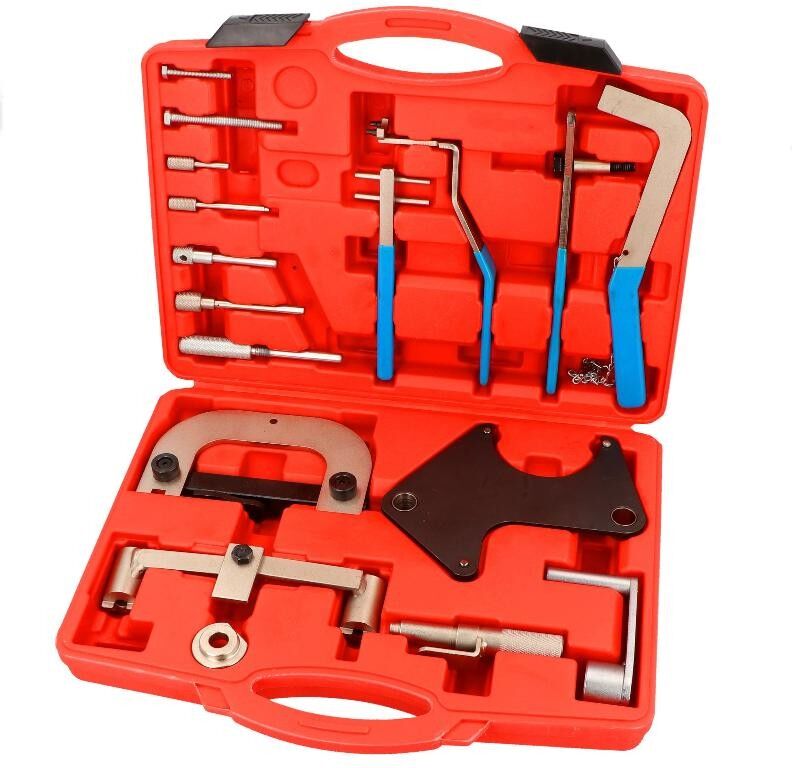
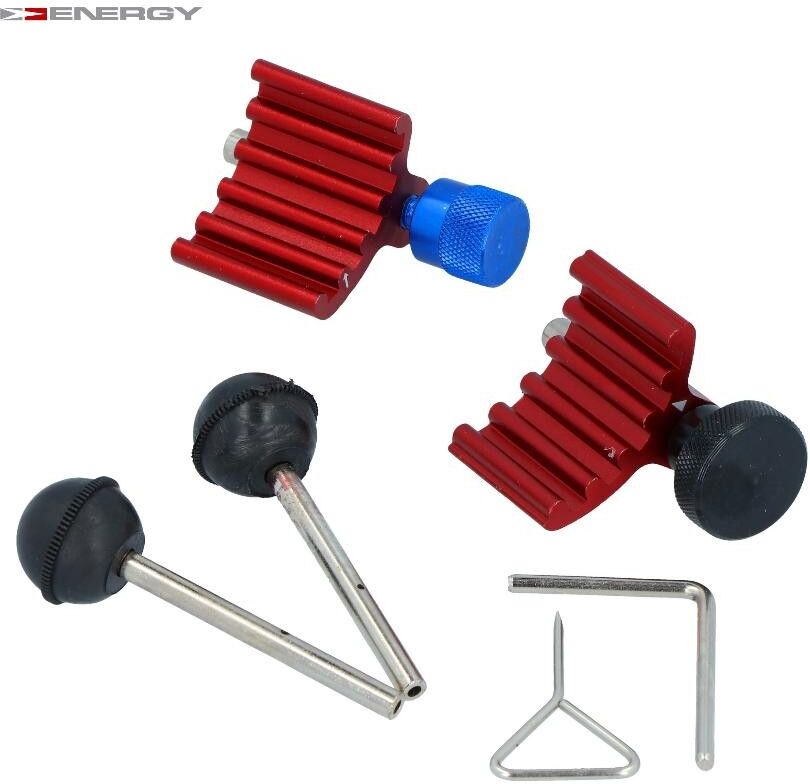
Similar search terms for ENERGY-NE00121-Retaining-Tool
Top-Angebote
Products related to ENERGY-NE00121-Retaining-Tool:



-
What are heat-retaining materials?
Heat-retaining materials are substances that have the ability to trap and hold heat for an extended period of time. These materials are often used in insulation to prevent heat loss in buildings or to keep objects warm. Common examples of heat-retaining materials include wool, fiberglass, and certain types of foam. By using these materials, energy consumption for heating can be reduced, making them environmentally friendly options. **
-
What is better: Industrial electronics technician or electronics technician for energy and building technology?
The choice between an industrial electronics technician and an electronics technician for energy and building technology depends on your career goals and interests. An industrial electronics technician typically works with manufacturing equipment and machinery, while an electronics technician for energy and building technology focuses on electrical systems in buildings and energy infrastructure. If you are interested in working with manufacturing processes and machinery, then industrial electronics technician may be a better fit. However, if you are passionate about sustainable energy and building technology, then electronics technician for energy and building technology may be the better option for you. **
-
What is better: Electronics technician for industrial engineering or electronics technician for energy and building technology?
The choice between being an electronics technician for industrial engineering or energy and building technology depends on your interests and career goals. If you enjoy working with complex machinery and systems in manufacturing environments, then industrial engineering may be a better fit for you. On the other hand, if you are passionate about sustainable energy solutions and building technology, then energy and building technology could be more fulfilling. Consider your strengths, interests, and long-term career aspirations to make the best decision for yourself. **
-
How can a retaining wall be renovated?
A retaining wall can be renovated by first assessing the extent of the damage and identifying the cause of the deterioration. Once the underlying issues are addressed, the wall can be repaired by replacing damaged or deteriorated materials, reinforcing the structure with additional support, and improving drainage to prevent future damage. It is important to consult with a professional engineer or contractor to ensure that the renovation is done properly and meets safety standards. **


How much does a retaining wall cost?
The cost of a retaining wall can vary depending on factors such as the materials used, the size of the wall, and the complexity of the design. On average, homeowners can expect to pay between $3,000 to $10,000 for a retaining wall. However, for larger or more intricate walls, the cost can exceed $15,000. It is recommended to get quotes from multiple contractors to get a better idea of the specific cost for your project. **
What are the tasks of an electronics technician for energy and building technology?
An electronics technician for energy and building technology is responsible for installing, maintaining, and repairing electrical systems in buildings and energy facilities. They work with a variety of systems including lighting, heating, ventilation, air conditioning, and renewable energy systems. They are also involved in troubleshooting electrical issues, conducting safety inspections, and ensuring that all systems are operating efficiently and in compliance with regulations. Additionally, they may be involved in the design and implementation of energy-efficient technologies to optimize building performance. **
Top-Angebote
Products related to ENERGY-NE00121-Retaining-Tool:
-
What is an electronics technician for energy and building technology?
An electronics technician for energy and building technology is a professional who specializes in installing, maintaining, and repairing electrical and electronic systems in buildings and energy facilities. They are responsible for ensuring that electrical systems are functioning properly, and they may work on a variety of systems including lighting, heating, ventilation, air conditioning, and renewable energy systems. These technicians are trained to troubleshoot and diagnose electrical problems, and they may also be involved in the design and implementation of energy-efficient systems. Overall, their role is crucial in ensuring the safety, efficiency, and functionality of electrical and electronic systems in buildings and energy facilities. **
-
What is an electronics master for energy and building technology?
An electronics master for energy and building technology is a professional who specializes in designing, installing, and maintaining electronic systems that optimize energy efficiency and control various building functions. They are experts in integrating technologies such as lighting, heating, ventilation, and air conditioning systems to create smart and sustainable buildings. These professionals play a crucial role in ensuring that buildings are energy-efficient, environmentally friendly, and equipped with advanced automation systems for optimal performance. **
-
What are heat-retaining materials?
Heat-retaining materials are substances that have the ability to trap and hold heat for an extended period of time. These materials are often used in insulation to prevent heat loss in buildings or to keep objects warm. Common examples of heat-retaining materials include wool, fiberglass, and certain types of foam. By using these materials, energy consumption for heating can be reduced, making them environmentally friendly options. **
-
What is better: Industrial electronics technician or electronics technician for energy and building technology?
The choice between an industrial electronics technician and an electronics technician for energy and building technology depends on your career goals and interests. An industrial electronics technician typically works with manufacturing equipment and machinery, while an electronics technician for energy and building technology focuses on electrical systems in buildings and energy infrastructure. If you are interested in working with manufacturing processes and machinery, then industrial electronics technician may be a better fit. However, if you are passionate about sustainable energy and building technology, then electronics technician for energy and building technology may be the better option for you. **
Similar search terms for ENERGY-NE00121-Retaining-Tool
-
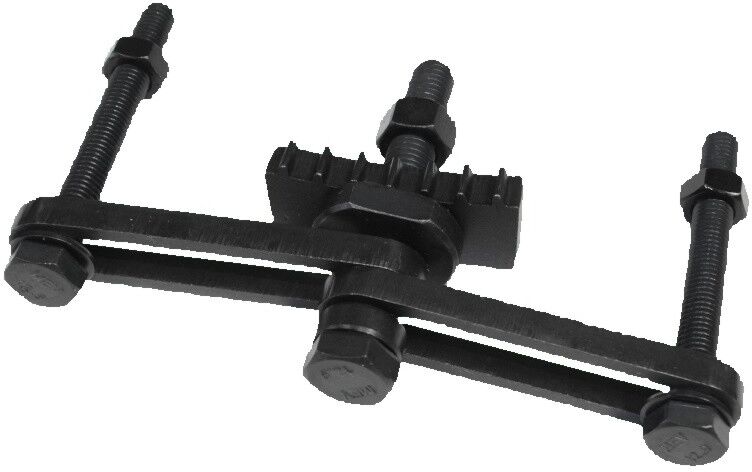
FORCE 902G17 Retaining Tool, camshaftNumber of tools: 2; Vehicle type: VAG ; for petrol engines to capacity [ccm]: 4.2; Version: V8, Audi B6 S4, Audi B7 S4, Audi A6, Audi A8, Volkswagen Phaeton; Engine Code: BAS, BAT, BBD, BBK, BHF, BNK, BFM, BGK; for OE number: OEM T4004633,49 £*Shipping: 8,45 £Secure redirect to the provider
-
What is better: Electronics technician for industrial engineering or electronics technician for energy and building technology?
The choice between being an electronics technician for industrial engineering or energy and building technology depends on your interests and career goals. If you enjoy working with complex machinery and systems in manufacturing environments, then industrial engineering may be a better fit for you. On the other hand, if you are passionate about sustainable energy solutions and building technology, then energy and building technology could be more fulfilling. Consider your strengths, interests, and long-term career aspirations to make the best decision for yourself. **
-
How can a retaining wall be renovated?
A retaining wall can be renovated by first assessing the extent of the damage and identifying the cause of the deterioration. Once the underlying issues are addressed, the wall can be repaired by replacing damaged or deteriorated materials, reinforcing the structure with additional support, and improving drainage to prevent future damage. It is important to consult with a professional engineer or contractor to ensure that the renovation is done properly and meets safety standards. **
-
How much does a retaining wall cost?
The cost of a retaining wall can vary depending on factors such as the materials used, the size of the wall, and the complexity of the design. On average, homeowners can expect to pay between $3,000 to $10,000 for a retaining wall. However, for larger or more intricate walls, the cost can exceed $15,000. It is recommended to get quotes from multiple contractors to get a better idea of the specific cost for your project. **
-
What are the tasks of an electronics technician for energy and building technology?
An electronics technician for energy and building technology is responsible for installing, maintaining, and repairing electrical systems in buildings and energy facilities. They work with a variety of systems including lighting, heating, ventilation, air conditioning, and renewable energy systems. They are also involved in troubleshooting electrical issues, conducting safety inspections, and ensuring that all systems are operating efficiently and in compliance with regulations. Additionally, they may be involved in the design and implementation of energy-efficient technologies to optimize building performance. **
* All prices are inclusive of VAT and, if applicable, plus shipping costs. The offer information is based on the details provided by the respective shop and is updated through automated processes. Real-time updates do not occur, so deviations can occur in individual cases. ** Note: Parts of this content were created by AI.