Buy miaxl.com ?
We are moving the project
miaxl.com .
Are you interested in purchasing the domain
miaxl.com ?
domain@kv-gmbh.de · 0541-91531010
Buy miaxl.com ?
Why is pneumatic technology prescribed in the food industry?
Pneumatic technology is prescribed in the food industry because it offers several advantages such as cleanliness, safety, and efficiency. Pneumatic systems are designed to be easily cleaned and sanitized, making them suitable for use in food processing and packaging. Additionally, pneumatic systems do not generate sparks, reducing the risk of fire or explosion in food production facilities. Furthermore, pneumatic technology allows for precise control and automation, leading to improved efficiency and productivity in food processing operations. **
What does "ratchet" mean?
"Ratchet" is a slang term that is often used to describe something or someone that is low-class, unrefined, or of poor quality. It can also refer to a situation that is out of control or chaotic. The term is commonly used in hip-hop culture and has evolved to have various meanings depending on the context in which it is used. **

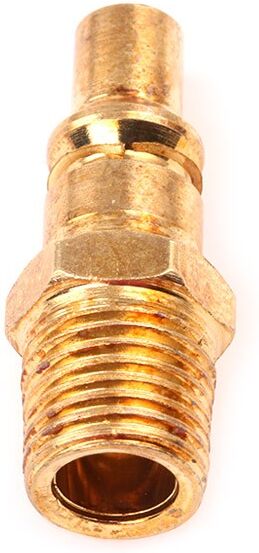
Similar search terms for ENERGY-NE00582-Pneumatic-Ratchet
Top-Angebote
Products related to ENERGY-NE00582-Pneumatic-Ratchet:
-
VOREL 81118 Pneumatic Ratchet ScrewdriverSquare Drive Tang Size [mm (inch)]: 12.5 (1/2); Tightening Torque [Nm]: 68; RPM to [rpm]: 160; Air Consumption [l/min]: 141; Operating Pressure [bar]: 6.3; Drive [inch]: 1/4 ; Operating Mode: pneumatic; Tools: with ratchet function35,49 £*Shipping: 8,45 £Secure redirect to the provider
-
SEALEY SA230 Pneumatic Ratchet ScrewdriverSquare Drive Tang Size [mm (inch)]: 6.3 (1/4); Drive [inch]: 1/4 BSP; RPM to [rpm]: 300; Length [mm]: 127; Air Consumption [l/min]: 85; Sound Power Level [dB]: 102; Noise Level [dB]: 91; Vibration Acceleration [m/s²]: 2.5; Material: Steel; Processing: Hardened; Rotation Direction: Clockwise rotation, Anticlockwise rotation; Torque to [Nm]: 27; Tools: with ratchet function; Operating Mode: pneumatic; Pressure [psi]: 9094,99 £*Shipping: 8,45 £Secure redirect to the provider
-
ASTA S-R14H Pneumatic Ratchet ScrewdriverSquare Drive Tang Size [mm (inch)]: 6.3 (1/4); Vibration Acceleration [m/s²]: 2,5; Sound Power Level [dB]: 86; Volumetric flow rate [l/min]: 160; Weight [g]: 500; Length [mm]: 134; Operating Speed [1/min]: 270; Tightening Torque [Nm]: 2763,99 £*Shipping: 8,45 £Secure redirect to the provider
-
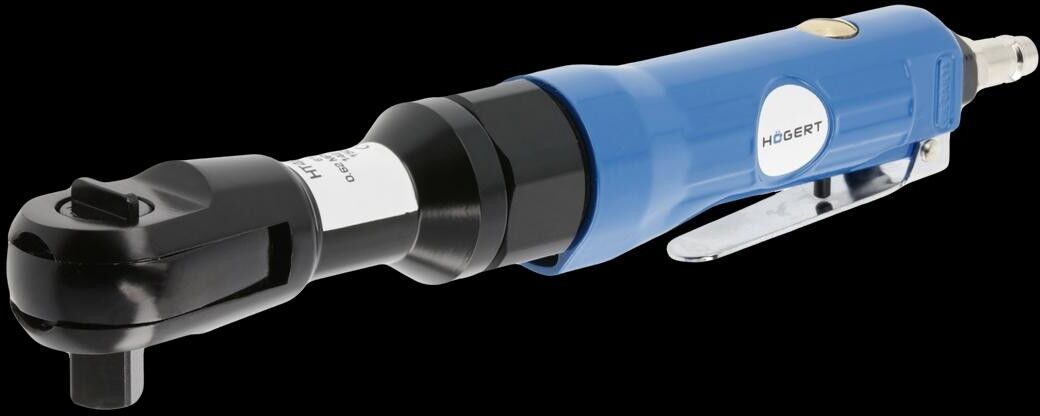
Hogert Technik HT4R630 Pneumatic Ratchet ScrewdriverAir Connection Thread: 1/2; Rotation Direction: Can be used in clockwise and anticlockwise direction; Torque [Nm]: 61; Working pressure [bar]: 6.2; Pressure [psi]: 90; Length [mm]: 262; Air Consumption [l/min]: 142; RPM to [rpm]: 150; Square Drive Tang Size [mm (inch)]: 12.5 (1/2)45,99 £*Shipping: 8,45 £Secure redirect to the provider


-
What are pneumatic components?
Pneumatic components are devices that use compressed air to perform mechanical work. These components include items such as cylinders, valves, air motors, and air compressors. They are commonly used in industrial and manufacturing settings to power machinery and equipment. Pneumatic components are known for their reliability, simplicity, and cost-effectiveness, making them a popular choice for many applications. **
-
What is pneumatic conveying?
Pneumatic conveying is a method of transporting bulk materials such as powders or granules through a pipeline using a gas or air flow. The material is suspended in the air stream and carried from one location to another, typically over long distances and at high speeds. This method is commonly used in industries such as food processing, pharmaceuticals, and manufacturing to efficiently and hygienically move materials without the need for manual handling or mechanical conveyors. Pneumatic conveying systems can be designed to accommodate different material properties and production requirements. **
-
What is an electronics technician for energy and building technology?
An electronics technician for energy and building technology is a professional who specializes in installing, maintaining, and repairing electrical and electronic systems in buildings and energy facilities. They are responsible for ensuring that electrical systems are functioning properly, and they may work on a variety of systems including lighting, heating, ventilation, air conditioning, and renewable energy systems. These technicians are trained to troubleshoot and diagnose electrical problems, and they may also be involved in the design and implementation of energy-efficient systems. Overall, their role is crucial in ensuring the safety, efficiency, and functionality of electrical and electronic systems in buildings and energy facilities. **
-
What is an electronics master for energy and building technology?
An electronics master for energy and building technology is a professional who specializes in designing, installing, and maintaining electronic systems that optimize energy efficiency and control various building functions. They are experts in integrating technologies such as lighting, heating, ventilation, and air conditioning systems to create smart and sustainable buildings. These professionals play a crucial role in ensuring that buildings are energy-efficient, environmentally friendly, and equipped with advanced automation systems for optimal performance. **

Who invented the tool ratchet?
The ratchet tool was invented by Conrad Johan Knap in the 1860s. Knap was a Swedish inventor who patented the ratchet mechanism in 1863. The ratchet tool revolutionized the way mechanical work was done by allowing continuous motion in one direction while preventing motion in the opposite direction. **
Which ratchet wrench is this?
This is a reversible ratcheting combination wrench. It features a ratcheting mechanism that allows the user to tighten or loosen nuts and bolts without having to remove the wrench from the fastener. The reversible feature allows the user to switch the direction of the ratcheting action, making it a versatile tool for various applications. **
Top-Angebote
Products related to ENERGY-NE00582-Pneumatic-Ratchet:
-
VOREL 81118 Pneumatic Ratchet ScrewdriverSquare Drive Tang Size [mm (inch)]: 12.5 (1/2); Tightening Torque [Nm]: 68; RPM to [rpm]: 160; Air Consumption [l/min]: 141; Operating Pressure [bar]: 6.3; Drive [inch]: 1/4 ; Operating Mode: pneumatic; Tools: with ratchet function35,49 £*Shipping: 8,45 £Secure redirect to the provider
-
SEALEY SA230 Pneumatic Ratchet ScrewdriverSquare Drive Tang Size [mm (inch)]: 6.3 (1/4); Drive [inch]: 1/4 BSP; RPM to [rpm]: 300; Length [mm]: 127; Air Consumption [l/min]: 85; Sound Power Level [dB]: 102; Noise Level [dB]: 91; Vibration Acceleration [m/s²]: 2.5; Material: Steel; Processing: Hardened; Rotation Direction: Clockwise rotation, Anticlockwise rotation; Torque to [Nm]: 27; Tools: with ratchet function; Operating Mode: pneumatic; Pressure [psi]: 9094,99 £*Shipping: 8,45 £Secure redirect to the provider
-
Why is pneumatic technology prescribed in the food industry?
Pneumatic technology is prescribed in the food industry because it offers several advantages such as cleanliness, safety, and efficiency. Pneumatic systems are designed to be easily cleaned and sanitized, making them suitable for use in food processing and packaging. Additionally, pneumatic systems do not generate sparks, reducing the risk of fire or explosion in food production facilities. Furthermore, pneumatic technology allows for precise control and automation, leading to improved efficiency and productivity in food processing operations. **
-
What does "ratchet" mean?
"Ratchet" is a slang term that is often used to describe something or someone that is low-class, unrefined, or of poor quality. It can also refer to a situation that is out of control or chaotic. The term is commonly used in hip-hop culture and has evolved to have various meanings depending on the context in which it is used. **
-
What are pneumatic components?
Pneumatic components are devices that use compressed air to perform mechanical work. These components include items such as cylinders, valves, air motors, and air compressors. They are commonly used in industrial and manufacturing settings to power machinery and equipment. Pneumatic components are known for their reliability, simplicity, and cost-effectiveness, making them a popular choice for many applications. **
-
What is pneumatic conveying?
Pneumatic conveying is a method of transporting bulk materials such as powders or granules through a pipeline using a gas or air flow. The material is suspended in the air stream and carried from one location to another, typically over long distances and at high speeds. This method is commonly used in industries such as food processing, pharmaceuticals, and manufacturing to efficiently and hygienically move materials without the need for manual handling or mechanical conveyors. Pneumatic conveying systems can be designed to accommodate different material properties and production requirements. **
Similar search terms for ENERGY-NE00582-Pneumatic-Ratchet
-
ASTA S-R14H Pneumatic Ratchet ScrewdriverSquare Drive Tang Size [mm (inch)]: 6.3 (1/4); Vibration Acceleration [m/s²]: 2,5; Sound Power Level [dB]: 86; Volumetric flow rate [l/min]: 160; Weight [g]: 500; Length [mm]: 134; Operating Speed [1/min]: 270; Tightening Torque [Nm]: 2763,99 £*Shipping: 8,45 £Secure redirect to the provider
-
Hogert Technik HT4R630 Pneumatic Ratchet ScrewdriverAir Connection Thread: 1/2; Rotation Direction: Can be used in clockwise and anticlockwise direction; Torque [Nm]: 61; Working pressure [bar]: 6.2; Pressure [psi]: 90; Length [mm]: 262; Air Consumption [l/min]: 142; RPM to [rpm]: 150; Square Drive Tang Size [mm (inch)]: 12.5 (1/2)45,99 £*Shipping: 8,45 £Secure redirect to the provider
-
HAZET 9022SR-1 Pneumatic Ratchet ScrewdriverOperating Pressure [bar]: 6,3; Nominal Size [mm]: 7,2; Air Connection Thread: 12.91 (1/4); Thread Type: Internal Thread; Air Consumption [l/min]: 113; Net Weight [g]: 1280; Rotation Direction: Can be used in clockwise and anticlockwise direction; Noise Level [dB]: 91; Sound Power Level [dB]: 98; Type of Impact Mechanism: Pin Impact Mechanism; Hose Diameter [mm]: 10; Vibration Acceleration [m/s²]: 4,53; Net weight [kg]: 1,28; Drive side (profile): Rectangle; Square Drive Tang Size [mm (inch)]: 12.5 (1/2), 6.3 (1/4); Tool handle type: Cold-insulating handle; Tightening torque to [Nm]: 102, 75,23; RPM to [rpm]: 400246,99 £*Shipping: 1,99 £Secure redirect to the provider
-
HAZET 9022P-1 Pneumatic Ratchet ScrewdriverNominal Size [mm]: 7,2; Air Connection Thread: 12.91 (1/4); Thread Type: Internal Thread; Air Consumption [l/min]: 77; Net Weight [g]: 1390; Rotation Direction: Can be used in clockwise and anticlockwise direction; Noise Level [dB]: 88,3; Sound Power Level [dB]: 99,3; Vibration Acceleration [m/s²]: 3; Net weight [kg]: 1,39; Drive side (profile): Rectangle; Square Drive Tang Size [mm (inch)]: 12.5 (1/2); Tightening torque to [Nm]: 95, 70,07; RPM to [rpm]: 160212,99 £*Shipping: 1,99 £Secure redirect to the provider
-
What is an electronics technician for energy and building technology?
An electronics technician for energy and building technology is a professional who specializes in installing, maintaining, and repairing electrical and electronic systems in buildings and energy facilities. They are responsible for ensuring that electrical systems are functioning properly, and they may work on a variety of systems including lighting, heating, ventilation, air conditioning, and renewable energy systems. These technicians are trained to troubleshoot and diagnose electrical problems, and they may also be involved in the design and implementation of energy-efficient systems. Overall, their role is crucial in ensuring the safety, efficiency, and functionality of electrical and electronic systems in buildings and energy facilities. **
-
What is an electronics master for energy and building technology?
An electronics master for energy and building technology is a professional who specializes in designing, installing, and maintaining electronic systems that optimize energy efficiency and control various building functions. They are experts in integrating technologies such as lighting, heating, ventilation, and air conditioning systems to create smart and sustainable buildings. These professionals play a crucial role in ensuring that buildings are energy-efficient, environmentally friendly, and equipped with advanced automation systems for optimal performance. **
-
Who invented the tool ratchet?
The ratchet tool was invented by Conrad Johan Knap in the 1860s. Knap was a Swedish inventor who patented the ratchet mechanism in 1863. The ratchet tool revolutionized the way mechanical work was done by allowing continuous motion in one direction while preventing motion in the opposite direction. **
-
Which ratchet wrench is this?
This is a reversible ratcheting combination wrench. It features a ratcheting mechanism that allows the user to tighten or loosen nuts and bolts without having to remove the wrench from the fastener. The reversible feature allows the user to switch the direction of the ratcheting action, making it a versatile tool for various applications. **
* All prices are inclusive of VAT and, if applicable, plus shipping costs. The offer information is based on the details provided by the respective shop and is updated through automated processes. Real-time updates do not occur, so deviations can occur in individual cases. ** Note: Parts of this content were created by AI.