Buy miaxl.com ?
We are moving the project
miaxl.com .
Are you interested in purchasing the domain
miaxl.com ?
domain@kv-gmbh.de · 0541-91531010
Buy miaxl.com ?
I would like to replace vegetable oil with rapeseed oil and also replace baking powder.
Rapeseed oil can be a good substitute for vegetable oil in most recipes, as it has a similar neutral flavor and high smoke point. When replacing baking powder, you can use a combination of baking soda and an acidic ingredient such as buttermilk, yogurt, or vinegar. The general rule of thumb is to use 1/4 teaspoon of baking soda for every 1 teaspoon of baking powder called for in the recipe, and to also add the acidic ingredient to activate the baking soda. Be sure to adjust the other ingredients in the recipe accordingly to maintain the right balance of flavors and textures. **
What are the differences between line-bred rapeseed and hybrid rapeseed?
Line-bred rapeseed is produced by selecting and breeding plants with desirable traits over multiple generations, resulting in a more uniform and stable variety. On the other hand, hybrid rapeseed is produced by crossing two genetically distinct parent lines to create a new variety with specific traits. Line-bred rapeseed tends to be more genetically stable and consistent, while hybrid rapeseed often exhibits hybrid vigor, resulting in higher yields and better performance. Additionally, hybrid rapeseed may require more management and inputs to maintain its desired traits, while line-bred rapeseed may be more resilient and easier to maintain. **
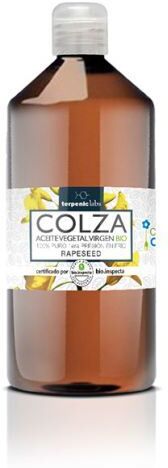

Similar search terms for Terpenic-Lab-Rapeseed-Vegetable
Top-Angebote
Products related to Terpenic-Lab-Rapeseed-Vegetable:
-
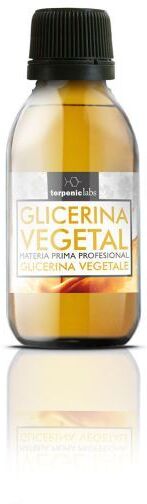
Terpenic Lab Vegetable Glycerin 125 grHealth and Beauty Creams Terpenic Lab Vegetable Glycerin 125 gr An excellent personal care product, thanks to its hygroscopic properties, it is used as a moisturizer. It also helps improve elasticity, is highly resistant to freezing, and can be crystallized. How to use: - It is used for skin care products, in creams and lotions.4,66 £*Shipping: 3,99 £Secure redirect to the provider
-
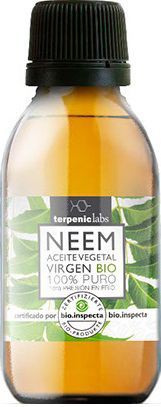
Terpenic Lab Neem Vegetable Oil 50 mlHealth and Beauty First aid kit Terpenic Lab Neem Vegetable Oil 50 ml Neem vegetable oil is obtained by cold-pressing the seeds of the Melia azadirachta tree, a spice widely distributed throughout the tropics and subtropics, occupying habitats ranging from rainforests to semi-desert areas. However, today, the production of this vegetable oil is almost exclusive to India. It has a thick liquid to semi-solid consistency, and its color ranges from dark yellow to almost black, it has a bitter taste, and its aroma is reminiscent of garlic. Valued for its antibacterial, antifungal and antiparasitic properties. Neem vegetable oil is rich in omegas, giving it nourishing and emollient properties. It is also known for its antiseptic and antifungal properties, and as an insect repellent against mosquitoes, mites, fleas, ticks, lice, and moths.13,54 £*Shipping: 3,99 £Secure redirect to the provider
-
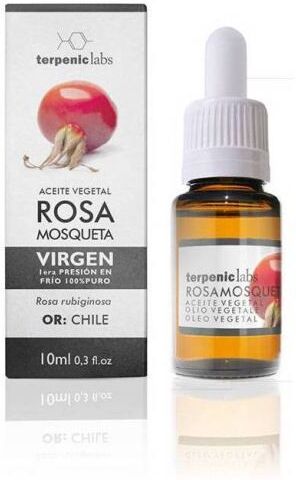
Terpenic Lab Rosehip Vegetable Oil 10 mlHealth and Beauty Creams Terpenic Lab Rosehip Vegetable Oil 10 ml 1st cold pressing. Acne, skin shine and smoothness, old or recent scars, eczema, psoriasis, sunburn, dry skin, burns and ulcers. Stimulates cell renewal, ideal for scars and skin blemishes. Restores skin elasticity and tone. Rosehip oil is obtained by cold-pressing the seeds of a plant belonging to the Rosaceae family: the wild rose or Rosa rubiginosa. It is mostly obtained from Chile and Europe. characteristic properties Lipid profile: Palmitic acid (C 16:0): 3- 8% Oleic acid (C 18:1): 12 – 16% Linoleic acid (C 18:2): 41 – 52% Linolenic acid (C18:3): 25 – 40% It has a high content of essential fatty acids with a high level of unsaturation, highlighting Alpha Linolenic Acid and Linoleic Acid. In addition to the high levels of omega 6 and omega 3, we find high levels of regenerative substances and fat-soluble antioxidants such as vitamin E and carotenoids. It is a highly penetrating oil. It prevents and treats signs of aging, among other benefits, and stimulates cell renewal, making it an ideal choice in formulations for scars and other skin blemishes. It improves dermal cell nutrition and internal hydration by enhancing microcirculation. It restores skin elasticity and tone. Uses and applications External use Especially indicated for: anti-wrinkle treatments, photoaging for mature skin. Also for burns, scars and marks, and superficial skin lesions. Widely used in medical-aesthetic formulations and facial and body serums. It absorbs quickly, protecting the skin and leaving it feeling pleasantly soft and smooth. Suitable for lotions, balms, face creams, body lotions, and lip balms. Example of preparation 1. Pigment spots: Mix equal parts Castor Oil and Rosehip Oil, apply a drop of the mixture to the spot with a gentle massage until absorbed once a day, preferably at night. Use high protection sunscreen all year round during the day. Note: Do not confuse with rose essential oil.6,97 £*Shipping: 3,99 £Secure redirect to the provider
-
Terpenic Lab Sesame Vegetable Oil 1 LHealth and Beauty Creams Terpenic Lab Sesame Vegetable Oil 1 L Terpenic Labs Sesame Oil is obtained from the sesame seed (Sesamum indicum), a plant native to India and Africa. The seed's oil content is approximately 65%. The resulting liquid is light yellow and almost odorless. Properties: Widely used in Eastern massage (Ayurvedic treatments, yoga, etc.). Highly valued for its relaxing and analgesic properties, as well as for its ability to solubilize toxins in detoxification treatments. The main properties are: Regenerating, Softening, UV Protecting and Antioxidant. Uses and applications: For all the above reasons, sesame oil is one of the best known and most widely used. Oral use: used as food since in addition to the caloric contribution we obtain essential fatty acids such as ω 6 and ω 9 among others and in multiple oriental dishes. External use: combination skin, sun protection (for weak skin), brittle nails, and massage base. In beauty treatments, refined sesame is used for hot massages. Sesame, having a higher proportion of unsaponifiable matter than refined sesame, has intensified regenerative, skin and hair softening properties, mild sun protection against UVB (without a specific sun factor), and antioxidant action.35,31 £*Shipping: 4,99 £Secure redirect to the provider

-
Can rabbits eat rapeseed?
No, rabbits should not eat rapeseed. Rapeseed contains compounds that can be harmful to rabbits if ingested in large quantities. It is best to avoid feeding rapeseed to rabbits and stick to a diet that consists of hay, fresh vegetables, and a small amount of pellets to ensure their health and well-being. **
-
Is rapeseed oil healthy?
Rapeseed oil is considered to be a healthy oil due to its high levels of unsaturated fats, particularly monounsaturated and polyunsaturated fats. These fats can help lower bad cholesterol levels and reduce the risk of heart disease. Additionally, rapeseed oil is a good source of vitamin E and contains omega-3 and omega-6 fatty acids, which are beneficial for overall health. However, it is important to use rapeseed oil in moderation as it is still high in calories. **
-
Is rapeseed toxic for horses?
Rapeseed, also known as canola, can be toxic for horses if ingested in large quantities. The plant contains compounds called glucosinolates, which can be harmful to horses when consumed in high amounts. Symptoms of rapeseed toxicity in horses can include gastrointestinal issues, colic, and potential respiratory problems. It is important to monitor and control a horse's access to rapeseed to prevent any potential toxicity issues. **
-
Can you eat rapeseed raw?
It is not recommended to eat raw rapeseed as it contains high levels of erucic acid, which can be harmful if consumed in large quantities. However, rapeseed oil, which is extracted from the seeds, is safe for consumption and commonly used in cooking. It is important to ensure that the rapeseed oil is cold-pressed and of high quality for consumption. **
Can horses eat rapeseed straw?
Horses should not eat rapeseed straw as it can contain high levels of glucosinolates, which can be toxic to them. Ingesting rapeseed straw can lead to health issues such as colic, diarrhea, and even respiratory problems in horses. It is important to provide horses with safe and appropriate forage options to ensure their health and well-being. **
Should I use vegetable broth instead of vegetable stock?
Vegetable broth and vegetable stock are very similar, but there are some differences. Vegetable broth is typically made with a higher proportion of vegetables, giving it a more intense flavor, while vegetable stock is made with a higher proportion of water, resulting in a lighter flavor. Whether you should use vegetable broth or vegetable stock depends on the specific recipe and your personal preference. If you want a stronger vegetable flavor in your dish, then using vegetable broth may be a good choice. However, if you prefer a lighter flavor, then vegetable stock may be more suitable. Ultimately, it's a matter of personal taste and the specific needs of the recipe. **
Top-Angebote
Products related to Terpenic-Lab-Rapeseed-Vegetable:
-
Terpenic Lab Rapeseed Vegetable Oil 100 mlNutrition and Supplements Natural Extracts Terpenic Lab Rapeseed Vegetable Oil 100 ml Brassica campestris L., or rapeseed, is an annual plant that grows to 60–140 cm. It is very typical of Europe. The vegetable oil is obtained by cold-pressing its seeds and then filtering them. The vegetable oil is pale yellow in color and has a slight sulfurous odor. Its dermal absorption rate is medium. Although it was once rich in euricic acid, today we have different types with low levels of this fatty acid that are used in the food industry. Contains essential fat-soluble vitamins, minerals and a high content of alpha-linolenic acid. As can be seen in the lipid profile, there is a proportion between omega 3, omega 6, and omega 9 fatty acids, which makes it very interesting as a nutritional contribution of these essential fatty acids. Uses and applications: Cosmetic use: Rapeseed oil is widely used in cosmetics due to its unique lipid profile. It is highly valued for massages and skin nourishment. Recommended for both baby and adult skin. Massage synergies, nourishing facial and body oil serums, and use in the preparation of macerations for therapeutic purposes are developed. Oral use: Rapeseed oil is widely used in cooking. It's ideal for salads, steaming, frying, or making mayonnaise. Due to its composition of essential fatty acids, vitamins and other nutritional components, it is attributed with benefits for the cardiovascular system.6,00 £*Shipping: 3,99 £Secure redirect to the provider
-
Terpenic Lab Rapeseed Vegetable Oil 250 mlNutrition and Supplements Natural Extracts Terpenic Lab Rapeseed Vegetable Oil 250 ml Brassica campestris L., or rapeseed, is an annual plant that grows to 60–140 cm. It is very typical of Europe. The vegetable oil is obtained by cold-pressing its seeds and then filtering them. The vegetable oil is pale yellow in color and has a slight sulfurous odor. Its dermal absorption rate is medium. Although it was once rich in euricic acid, today we have different types with low levels of this fatty acid that are used in the food industry. Contains essential fat-soluble vitamins, minerals and a high content of alpha-linolenic acid. As can be seen in the lipid profile, there is a proportion between omega 3, omega 6, and omega 9 fatty acids, which makes it very interesting as a nutritional contribution of these essential fatty acids. Uses and applications: Cosmetic use: Rapeseed oil is widely used in cosmetics due to its unique lipid profile. It is highly valued for massages and skin nourishment. Recommended for both baby and adult skin. Massage synergies, nourishing facial and body oil serums, and use in the preparation of macerations for therapeutic purposes are developed. Oral use: Rapeseed oil is widely used in cooking. It's ideal for salads, steaming, frying, or making mayonnaise. Due to its composition of essential fatty acids, vitamins and other nutritional components, it is attributed with benefits for the cardiovascular system.9,04 £*Shipping: 3,99 £Secure redirect to the provider
-
Terpenic Lab Vegetable Glycerin 125 grHealth and Beauty Creams Terpenic Lab Vegetable Glycerin 125 gr An excellent personal care product, thanks to its hygroscopic properties, it is used as a moisturizer. It also helps improve elasticity, is highly resistant to freezing, and can be crystallized. How to use: - It is used for skin care products, in creams and lotions.4,66 £*Shipping: 3,99 £Secure redirect to the provider
-
Terpenic Lab Neem Vegetable Oil 50 mlHealth and Beauty First aid kit Terpenic Lab Neem Vegetable Oil 50 ml Neem vegetable oil is obtained by cold-pressing the seeds of the Melia azadirachta tree, a spice widely distributed throughout the tropics and subtropics, occupying habitats ranging from rainforests to semi-desert areas. However, today, the production of this vegetable oil is almost exclusive to India. It has a thick liquid to semi-solid consistency, and its color ranges from dark yellow to almost black, it has a bitter taste, and its aroma is reminiscent of garlic. Valued for its antibacterial, antifungal and antiparasitic properties. Neem vegetable oil is rich in omegas, giving it nourishing and emollient properties. It is also known for its antiseptic and antifungal properties, and as an insect repellent against mosquitoes, mites, fleas, ticks, lice, and moths.13,54 £*Shipping: 3,99 £Secure redirect to the provider
-
I would like to replace vegetable oil with rapeseed oil and also replace baking powder.
Rapeseed oil can be a good substitute for vegetable oil in most recipes, as it has a similar neutral flavor and high smoke point. When replacing baking powder, you can use a combination of baking soda and an acidic ingredient such as buttermilk, yogurt, or vinegar. The general rule of thumb is to use 1/4 teaspoon of baking soda for every 1 teaspoon of baking powder called for in the recipe, and to also add the acidic ingredient to activate the baking soda. Be sure to adjust the other ingredients in the recipe accordingly to maintain the right balance of flavors and textures. **
-
What are the differences between line-bred rapeseed and hybrid rapeseed?
Line-bred rapeseed is produced by selecting and breeding plants with desirable traits over multiple generations, resulting in a more uniform and stable variety. On the other hand, hybrid rapeseed is produced by crossing two genetically distinct parent lines to create a new variety with specific traits. Line-bred rapeseed tends to be more genetically stable and consistent, while hybrid rapeseed often exhibits hybrid vigor, resulting in higher yields and better performance. Additionally, hybrid rapeseed may require more management and inputs to maintain its desired traits, while line-bred rapeseed may be more resilient and easier to maintain. **
-
Can rabbits eat rapeseed?
No, rabbits should not eat rapeseed. Rapeseed contains compounds that can be harmful to rabbits if ingested in large quantities. It is best to avoid feeding rapeseed to rabbits and stick to a diet that consists of hay, fresh vegetables, and a small amount of pellets to ensure their health and well-being. **
-
Is rapeseed oil healthy?
Rapeseed oil is considered to be a healthy oil due to its high levels of unsaturated fats, particularly monounsaturated and polyunsaturated fats. These fats can help lower bad cholesterol levels and reduce the risk of heart disease. Additionally, rapeseed oil is a good source of vitamin E and contains omega-3 and omega-6 fatty acids, which are beneficial for overall health. However, it is important to use rapeseed oil in moderation as it is still high in calories. **
Similar search terms for Terpenic-Lab-Rapeseed-Vegetable
-
Terpenic Lab Rosehip Vegetable Oil 10 mlHealth and Beauty Creams Terpenic Lab Rosehip Vegetable Oil 10 ml 1st cold pressing. Acne, skin shine and smoothness, old or recent scars, eczema, psoriasis, sunburn, dry skin, burns and ulcers. Stimulates cell renewal, ideal for scars and skin blemishes. Restores skin elasticity and tone. Rosehip oil is obtained by cold-pressing the seeds of a plant belonging to the Rosaceae family: the wild rose or Rosa rubiginosa. It is mostly obtained from Chile and Europe. characteristic properties Lipid profile: Palmitic acid (C 16:0): 3- 8% Oleic acid (C 18:1): 12 – 16% Linoleic acid (C 18:2): 41 – 52% Linolenic acid (C18:3): 25 – 40% It has a high content of essential fatty acids with a high level of unsaturation, highlighting Alpha Linolenic Acid and Linoleic Acid. In addition to the high levels of omega 6 and omega 3, we find high levels of regenerative substances and fat-soluble antioxidants such as vitamin E and carotenoids. It is a highly penetrating oil. It prevents and treats signs of aging, among other benefits, and stimulates cell renewal, making it an ideal choice in formulations for scars and other skin blemishes. It improves dermal cell nutrition and internal hydration by enhancing microcirculation. It restores skin elasticity and tone. Uses and applications External use Especially indicated for: anti-wrinkle treatments, photoaging for mature skin. Also for burns, scars and marks, and superficial skin lesions. Widely used in medical-aesthetic formulations and facial and body serums. It absorbs quickly, protecting the skin and leaving it feeling pleasantly soft and smooth. Suitable for lotions, balms, face creams, body lotions, and lip balms. Example of preparation 1. Pigment spots: Mix equal parts Castor Oil and Rosehip Oil, apply a drop of the mixture to the spot with a gentle massage until absorbed once a day, preferably at night. Use high protection sunscreen all year round during the day. Note: Do not confuse with rose essential oil.6,97 £*Shipping: 3,99 £Secure redirect to the provider
-
Terpenic Lab Sesame Vegetable Oil 1 LHealth and Beauty Creams Terpenic Lab Sesame Vegetable Oil 1 L Terpenic Labs Sesame Oil is obtained from the sesame seed (Sesamum indicum), a plant native to India and Africa. The seed's oil content is approximately 65%. The resulting liquid is light yellow and almost odorless. Properties: Widely used in Eastern massage (Ayurvedic treatments, yoga, etc.). Highly valued for its relaxing and analgesic properties, as well as for its ability to solubilize toxins in detoxification treatments. The main properties are: Regenerating, Softening, UV Protecting and Antioxidant. Uses and applications: For all the above reasons, sesame oil is one of the best known and most widely used. Oral use: used as food since in addition to the caloric contribution we obtain essential fatty acids such as ω 6 and ω 9 among others and in multiple oriental dishes. External use: combination skin, sun protection (for weak skin), brittle nails, and massage base. In beauty treatments, refined sesame is used for hot massages. Sesame, having a higher proportion of unsaponifiable matter than refined sesame, has intensified regenerative, skin and hair softening properties, mild sun protection against UVB (without a specific sun factor), and antioxidant action.35,31 £*Shipping: 4,99 £Secure redirect to the provider
-
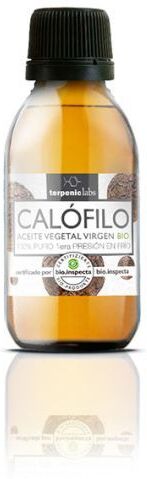
Terpenic Lab Calophyll Vegetable Oil 60 mlHealth and Beauty First aid kit Terpenic Lab Calophyll Vegetable Oil 60 ml Organic first-pressed tamanu oil for muscle and joint pain, rheumatism, sciatica, lumbago, and circulatory problems. This oil is rich in Vitamin E or Tocopherol. A powerful natural antioxidant that helps stabilize the unsaturated fatty acids in cell membranes. It also contains healing molecules such as: calophyllic acid and inophylline.12,19 £*Shipping: 3,99 £Secure redirect to the provider
-
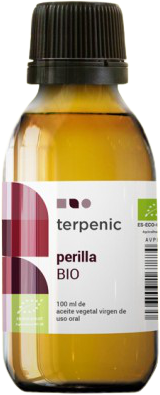
Terpenic Lab Perilla Vegetable Oil 100 mlHealth and Beauty Creams Terpenic Lab Perilla Vegetable Oil 100 ml It is one of the vegetable oils richest in linolenic acid (omega-3), an essential fatty acid that we must provide to our bodies through our diet. It has anti-inflammatory and healing properties, and is therefore used for skin irritations (dermatitis, eczema, allergies). It is highly recommended as an oral substitute for linseed oil, although heating it is not recommended to avoid losing its properties. In addition, its unsaponifiable portion also contains vitamin E and polyphenolic active ingredients. These fat-soluble vitamins and other chemical substances provide the following properties: restructuring, soothing, softening, and anti-inflammatory. Apply with a gentle massage on the area to be treated.19,06 £*Shipping: 3,99 £Secure redirect to the provider
-
Is rapeseed toxic for horses?
Rapeseed, also known as canola, can be toxic for horses if ingested in large quantities. The plant contains compounds called glucosinolates, which can be harmful to horses when consumed in high amounts. Symptoms of rapeseed toxicity in horses can include gastrointestinal issues, colic, and potential respiratory problems. It is important to monitor and control a horse's access to rapeseed to prevent any potential toxicity issues. **
-
Can you eat rapeseed raw?
It is not recommended to eat raw rapeseed as it contains high levels of erucic acid, which can be harmful if consumed in large quantities. However, rapeseed oil, which is extracted from the seeds, is safe for consumption and commonly used in cooking. It is important to ensure that the rapeseed oil is cold-pressed and of high quality for consumption. **
-
Can horses eat rapeseed straw?
Horses should not eat rapeseed straw as it can contain high levels of glucosinolates, which can be toxic to them. Ingesting rapeseed straw can lead to health issues such as colic, diarrhea, and even respiratory problems in horses. It is important to provide horses with safe and appropriate forage options to ensure their health and well-being. **
-
Should I use vegetable broth instead of vegetable stock?
Vegetable broth and vegetable stock are very similar, but there are some differences. Vegetable broth is typically made with a higher proportion of vegetables, giving it a more intense flavor, while vegetable stock is made with a higher proportion of water, resulting in a lighter flavor. Whether you should use vegetable broth or vegetable stock depends on the specific recipe and your personal preference. If you want a stronger vegetable flavor in your dish, then using vegetable broth may be a good choice. However, if you prefer a lighter flavor, then vegetable stock may be more suitable. Ultimately, it's a matter of personal taste and the specific needs of the recipe. **
* All prices are inclusive of VAT and, if applicable, plus shipping costs. The offer information is based on the details provided by the respective shop and is updated through automated processes. Real-time updates do not occur, so deviations can occur in individual cases. ** Note: Parts of this content were created by AI.